
 See Our Latest Article on HelloNation
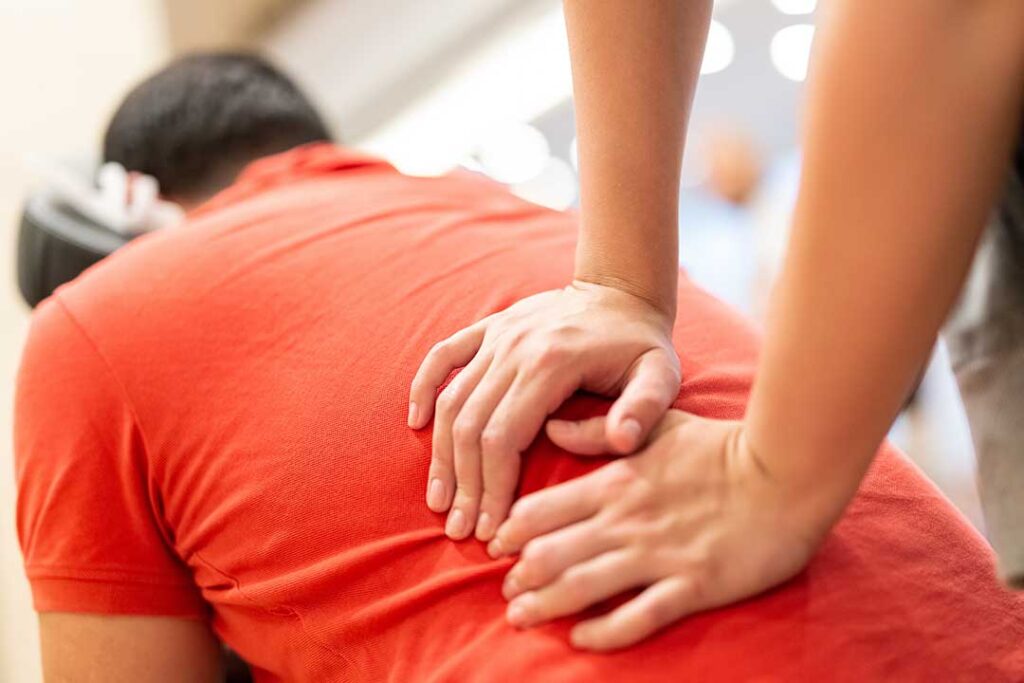
Whether you’re paddling along the Salmon River in the summer or joining a pickup hockey game at the Malone Civic Center in winter, residents of Malone, NY enjoy a wide spectrum of athletic activities year-round. With the changing seasons and active lifestyle come the risks of sports-related back injuries. As a chiropractor serving the Malone community, I frequently address these concerns and believe that prevention is always the best approach. Here are essential tips to help you and your family stay active—and injury-free.
Understanding Common Sports-Related Back Injuries
Back injuries are a leading cause of discomfort for athletes of all ages in Malone. Common sports-related back injuries include:
- Muscle strains and ligament sprains
- Herniated or slipped discs
- Stress fractures
- Spondylolysis (a stress fracture of the lower vertebrae)
Outdoor athletes, recreational teams, and student participants from Franklin Academy all face these injury risks—even during seemingly low-impact activities like golf at the Malone Golf Club or ski outings at Titus Mountain.
Warm Up Wisely for Malone’s Variable Weather
Malone’s seasons offer chilly mornings even in late spring and brisk winds throughout winter. A proper warm-up is essential before any activity to prepare your back and overall musculoskeletal system. Smart warm-up habits include:
- 5-10 minutes of gentle aerobic activity (walking around the field, jogging on the track)
- Dynamic stretching focusing on hamstrings, hip flexors, and core muscles
- Controlled movements such as lunges, trunk rotations, and arm swings
During the colder months, spend extra time warming up, as muscles are more prone to strains in the cold.
Build Core Strength for Better Back Support
A strong core is your best defense against back injuries in any sport, whether you’re figure skating or playing Little League baseball at the Malone Recreation Park. Core muscles—abs, obliques, and lower back—help stabilize your spine during twisting, bending, or impact.
Simple core exercises that can be done at home or at the Malone YMCA include:
- Planks (start with 20 seconds and build up)
- Bird-dogs (alternate extending opposite arms and legs on hands and knees)
- Dead bugs (lying on your back, moving arms and legs in a controlled manner)
Aim to include core strength work in your fitness routine at least three days each week.
Focus on Flexibility
Tight muscles limit your range of motion and increase your risk of injury. For Malone athletes who participate in repetitive motion sports—such as runners on the Rail Trail or swimmers at the Malone Pool—flexibility is especially vital.
Post-exercise and on rest days, incorporate static stretching for:
- Hamstrings
- Quadriceps
- Hip flexors
- Lower back muscles
Yoga classes, which are available at several Malone fitness centers, can support flexibility and daily mobility.
Practice Proper Technique
Sports like hockey, rowing, or high school football all carry unique risks for the back. Improper lifting, swinging, or tackling techniques are major culprits in back injuries. If you’re new to a sport or returning after a break:
- Consult a certified coach or trainer to learn correct form.
- Avoid sudden increases in intensity or duration.
- Never sacrifice form for power or speed—especially during weightlifting or resistance activities.
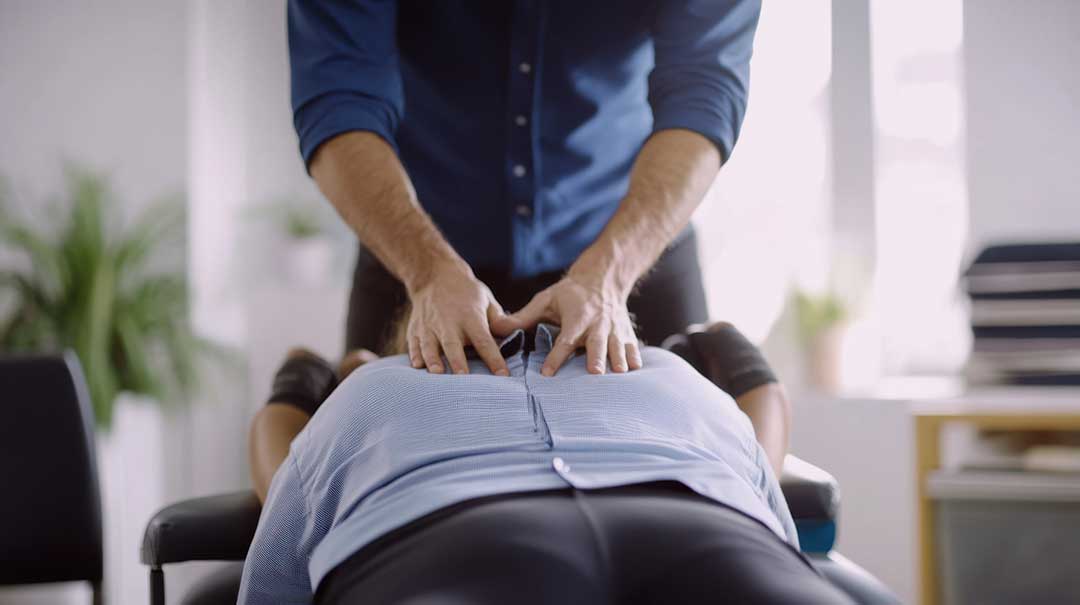
For younger athletes or students at Malone Central School District, supervised training is key to learning safe movement habits from the start.
Listen to Your Body
The North Country’s competitive spirit inspires Malone’s athletes to push harder, but ignoring pain is never wise. Soreness of muscles is normal, but sharp, persistent, or radiating back pain needs attention.
- Rest as needed—don’t force activity if your back feels “off.”
- Use ice and over-the-counter anti-inflammatories for mild strains.
- Seek professional evaluation for any symptoms that don’t improve in a few days, such as numbness, tingling, or significant discomfort when moving.
Early care can prevent minor issues from turning major.
Stay Hydrated and Nourished
Malone’s summers can be humid and winters very dry indoors. Proper hydration keeps spinal discs healthy and helps muscles function optimally. Athletes should:
- Drink water throughout practices and games—never wait until you feel thirsty.
- Replenish with water or electrolyte drinks after heavy sweating.
- Eat balanced meals with lean proteins, fruits, vegetables, and whole grains to fuel recovery and support tissue repair.
Choose the Right Equipment
Protective gear, proper footwear, and appropriate clothing all contribute to back health. Whether you’re on the soccer fields or hiking the Adirondack trails:
- Replace worn-out shoes with good arch support.
- Use back-support belts if advised by a professional during heavy lifting.
- Wear helmets, pads, and other relevant gear specific to your sport.
This is especially important for young athletes learning their sports in Malone’s physical education programs.
Conclusion: A Healthy Back Means More Fun
Participating in Malone’s vibrant sports and recreation life is a privilege that should last a lifetime. Prevention is your most powerful tool. By prioritizing warm-ups, safe technique, core strength, flexibility, self-care, and proper equipment, you can greatly reduce your risk of sports-related back injuries. Take care of your body now so you’ll enjoy every season Malone has to offer—from snowy slopes to lush summer fields—pain-free and ready to play.
Stay healthy and active, Malone!
