
 See Our Latest Article on HelloNation
What Is Scoliosis and How Does It Affect Daily Life?
Scoliosis describes an abnormal sideways curve of the spine, which can range from mild to severe. For many area families and individuals in Malone, NY, scoliosis is first detected in childhood or adolescence, often during growth spurts. Symptoms can include uneven shoulders or waist, visible curves in posture, or occasional back discomfort. In adults, scoliosis might become more noticeable due to natural aging, decreased mobility, or changes in activity, especially during the colder months when people tend to be less active.
Living with scoliosis in this region can present certain challenges. Local residents often spend time outdoors year-round, whether shoveling snow or enjoying seasonal recreation, so back flexibility and comfort are practical concerns. Some experience muscle fatigue, aches, or stiffness, and may worry about worsening symptoms or limiting activities.
Can Chiropractic Play a Role in Managing Scoliosis?
Chiropractic care can offer supportive options for some people with scoliosis, though it is not considered a cure for this condition. Chiropractic management focuses primarily on improving mobility, supporting posture, and alleviating discomfort related to spinal misalignments or muscle tension.
Those living in and around Malone may have questions about whether adjustments or manual therapy can “straighten” a curved spine. Chiropractic methods are not designed to reverse spinal curvatures; instead, the focus is on:
- Enhancing spinal mobility where joints are stiff
- Addressing muscle tightness or imbalance
- Teaching strategies to support day-to-day comfort
For local families, this often means that chiropractic care becomes part of a broader approach that may include medical monitoring, physical therapy, or exercise. It’s important to remember that most care in this area follows evidence-informed guidelines and is tailored to the needs and tolerance of each individual, especially for children or those with more pronounced curves.
What Can Residents Expect From Chiropractic Visits for Scoliosis?
Typically, a chiropractor will begin by reviewing your health history, conducting a spinal assessment, and discussing any symptoms or concerns. In Malone, NY, community standards prioritize safety and clear communication, so you can expect the following process:
- A careful examination to measure and track the curvature
- Discussion of activities that may be affected by the condition, such as lifting firewood, snow shoveling, or certain sports
- Simple movement or stretching tests to check mobility and muscle tension
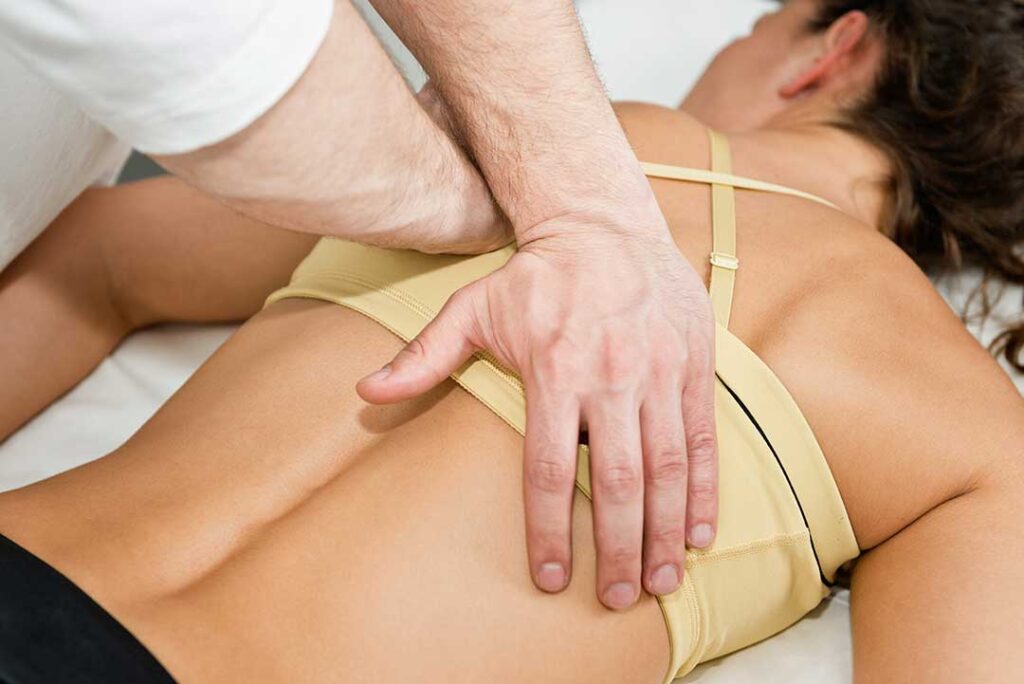
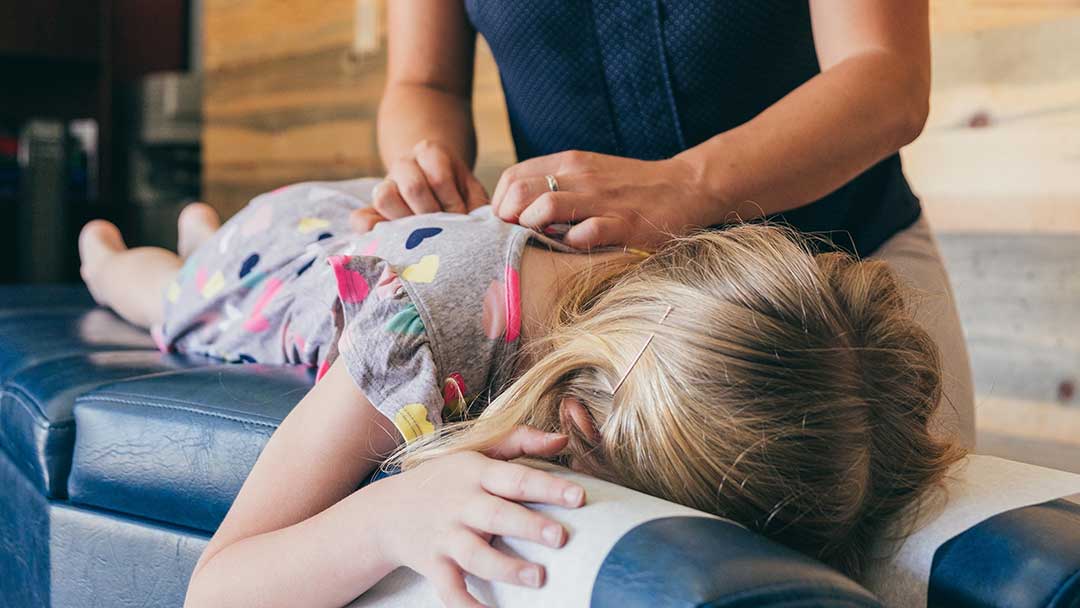
Chiropractic visits for those with scoliosis usually incorporate techniques such as gentle spinal adjustments, stretches, or soft tissue therapy. These sessions are often paired with education about posture strategies, body mechanics for chores and recreational activities, and practical exercises that can be safely done at home.
Are There Limitations or Risks for Chiropractic Care With Scoliosis?
Not everyone with scoliosis will benefit equally from chiropractic care, and certain limitations exist. Adjustments may be less suited for individuals with very advanced curvature, severe osteoporosis (more common in older adults in the community), or spinal conditions requiring surgical management. Chiropractic techniques are generally adapted based on:
- Age and general health
- The degree and location of the spinal curve
- Presence of symptoms like nerve involvement (numbness, tingling, or weakness)
For those experiencing new or worsening symptoms—such as sudden pain, numbness, or loss of balance—prompt discussion with a primary healthcare provider is important, as these may indicate complications requiring medical attention.
What Other Approaches Should Local Residents Consider?
For most individuals in Malone, a coordinated approach is typically most effective. Local residents often combine chiropractic management with:
- Periodic monitoring by a primary care provider to track curve progression, especially in children and teens
- Physical therapy programs designed to strengthen core muscles and improve spinal stability
- Regular exercise, such as walking or swimming, which helps support overall spine health
- Adaptations in daily activities such as using supportive shoes, ergonomic furniture, and energy-saving techniques during winter chores
Public health programs and schools in the city may also provide screening or referrals if scoliosis is suspected in children.
Common Misconceptions About Chiropractic and Scoliosis
Several misconceptions persist about both scoliosis and chiropractic management. For clarity:
- Chiropractic adjustments do not “cure” or permanently correct spinal curves.
- Not all back pain in children or adults is related to scoliosis.
- Gentle, modified chiropractic techniques are available for those with structural spinal changes, but these are distinct from standard adjustments.
- Home remedies or “posture correctors” sold online are not equivalent to individualized care and should not replace evidence-based approaches.
Understanding these distinctions helps local residents make informed decisions and avoid frustration or potentially risky DIY fixes.
How Should Malone Households Monitor Scoliosis?
Households in the area can monitor scoliosis by watching for visible changes in posture, unevenness in clothes fit, or reports of new symptoms. For children, periodic checks during rapid growth periods are especially useful. If uncertainty persists, consulting with a healthcare provider—rather than relying solely on online images or self-diagnosis—is recommended to ensure safe and accurate assessment.
Warm clothing, supportive footwear, and ergonomically designed backpacks can also minimize discomfort and strain during school and winter months.
Can Lifestyle or Seasonal Factors in Malone Affect Scoliosis Management?
Seasonal changes can influence comfort and management. During colder months, stiff joints and muscle tension may be more pronounced, especially after shoveling or static indoor activities. Local residents often find that regular stretching, brief walks, or gentle movement breaks help keep discomfort at bay. During summer, participation in swimming or outdoor sports may improve mobility and support general health.
Environmental adaptations like using cushioned chairs, changing sleeping positions, or organizing household tasks to reduce frequent bending or lifting are practical strategies that area families often find helpful.
