
 See Our Latest Article on HelloNation

What Is Chiropractic Care and How Does It Work?
Chiropractic care is a form of health care focused on the diagnosis, treatment, and prevention of musculoskeletal disorders, mainly those related to the spine. Chiropractors use manual adjustments and other hands-on techniques to help align the body’s musculoskeletal structure, especially the spine, with the goal of enabling the body to heal itself without medication or surgery.
Residents in Malone, NY may be familiar with chiropractic care as a non-invasive option for back pain, neck pain, joint pain, and even headaches. While the primary treatment involves adjustments, chiropractors may also advise on exercises, stretches, posture, and general lifestyle improvements, tailoring their recommendations to the needs of community members who face specific challenges like slips on icy sidewalks in the winter or strain from household chores and outdoor activities.
Which Types of Pain Do Local Residents Most Commonly Address with Chiropractic Care?
Chiropractic care is most often sought for persistent or recurring pain, especially:
- Low back pain from daily activities, snow shoveling, or long commutes
- Neck pain related to desk work, use of mobile devices, or poor posture
- Tension headaches or migraines
- Joint pain in shoulders, hips, or knees, frequently seen in people with physically demanding jobs or those maintaining large gardens and lawns
Many residents turn to chiropractic approaches to help manage pain that is not fully relieved by rest or over-the-counter medications. People also often use chiropractic as part of a broader pain management strategy, not just as a standalone solution.
How Does Chiropractic Care Support Pain Management?
Chiropractic care supports pain relief by addressing misalignments in the spine and other joints, which can interfere with the nerves, muscles, and connective tissues. When a chiropractor performs an adjustment, the aim is to restore mobility and reduce discomfort caused by inflammation, muscle tension, or compressed nerves.
This approach is particularly useful in environments like Malone, where sudden weather changes and slippery conditions often lead to minor injuries or muscular discomfort. Chiropractic adjustments may:
- Improve joint mobility and flexibility
- Reduce muscle tightness and spasms
- Promote better posture, especially after snow shoveling or yard work
- Enhance the body’s ability to recover from minor sprains and strains
What Medical Conditions or Injuries Can Benefit from Chiropractic Care?
While chiropractic care isn’t suitable for every type of pain—such as acute fractures or severe infections—it is commonly part of the management plan for:
- Chronic lower back or neck pain
- Sciatica, or pain radiating from the hips down the legs
- Certain types of tension headaches
- Stiffness or discomfort after minor falls or repetitive use injuries
Some local residents mistakenly believe chiropractic is only for back pain, but people with mild sports injuries or overuse syndromes from repetitive tasks around the house may also find it helpful. Nonetheless, severe pain, injuries from car accidents, or any pain accompanied by numbness, weakness, or unexplained weight loss should be evaluated by a primary care physician first.
Are There Risks or Side Effects to Chiropractic Adjustments?
For most people, chiropractic adjustments are considered safe when performed by a trained professional. Mild soreness, stiffness, or fatigue may follow an adjustment, similar to what one might experience after starting a new exercise routine. These sensations usually resolve within a day or two.
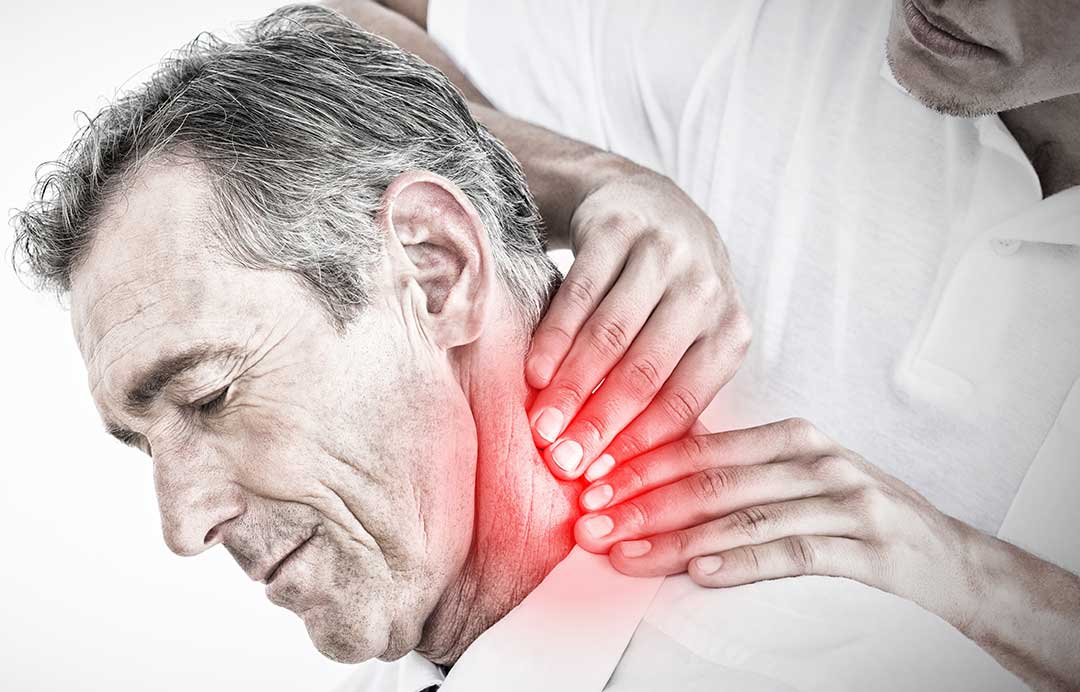
Less commonly, individuals may experience headaches or discomfort after their first session. Serious complications are rare but possible, especially if underlying health conditions exist. Residents with osteoporosis, severe arthritis, or a history of spinal surgery should share their full medical history with any healthcare provider.
What Should Malone Area Residents Expect During a Chiropractic Visit?
Most initial visits involve a detailed health history and a physical examination. Chiropractors may ask about lifestyle, daily activities, pain patterns, and any previous injuries—information critical for tailoring a treatment plan that accounts for the frequent physical activities and seasonal routines of local households.
Treatment may involve:
- Gentle spinal and joint adjustments
- Stretching or soft tissue therapy
- Guidance on home exercises or postural corrections, especially relevant for those who spend long periods driving or performing repetitive motions at work
Practitioners often encourage residents to discuss their comfort level during care, as patient feedback helps ensure safe and effective treatment.
How Do Chiropractors Work With Other Pain Management Approaches?
Chiropractic care is often just one piece of a person’s overall pain management plan. Residents may combine it with physical therapy, exercise, or advice from primary care providers, especially when managing chronic conditions or recovering from injuries that linger through the colder months. Chiropractors may recommend modifications for household or recreational activities to reduce the risk of re-injury.
There is a common misunderstanding that chiropractic care must replace other treatments; in reality, it is often part of an integrative approach. For most types of non-emergency musculoskeletal pain, coordination between different healthcare providers offers the best outcomes.
When Should Local Residents Consider Other Options?
Chiropractic care is not meant for all medical situations. Residents should seek a different type of evaluation if they experience:
- Sudden, severe pain following trauma or a fall
- Signs of nerve damage, such as numbness, tingling, or significant muscle weakness
- Pain accompanied by fever, unexplained weight loss, or loss of bowel or bladder control
Prompt attention from a medical doctor or emergency services is essential in these cases. For routine aches from seasonal chores, work-related strain, or minor athletic injuries, chiropractic care may be a helpful and accessible part of staying active and comfortable in the community.
