
 See Our Latest Article on HelloNation
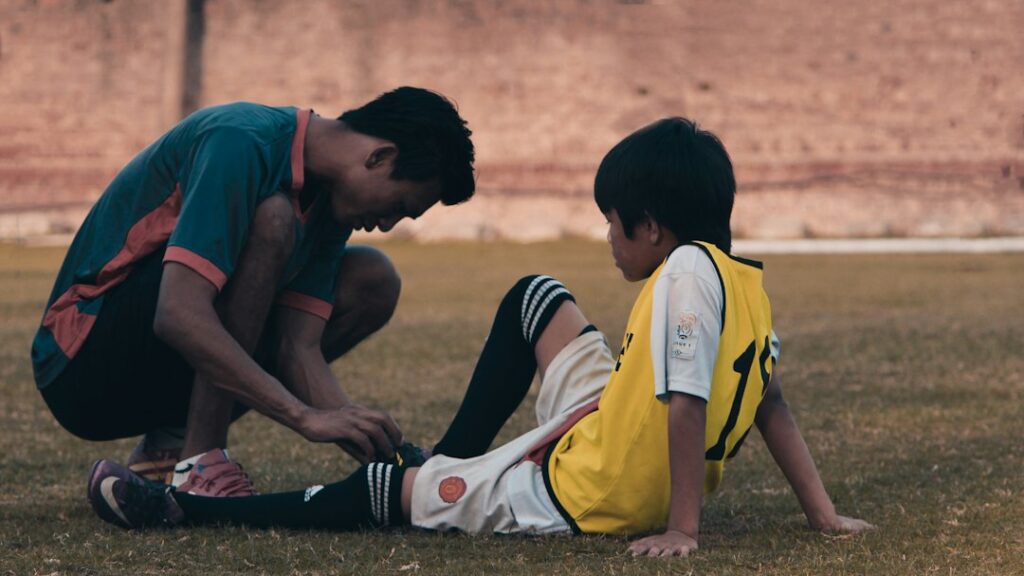
Sports-related concussions cannot be prevented completely, but athletes, families, coaches, and schools can reduce the number and severity of head impacts. The most effective approach combines safer technique, properly fitted protective equipment, rule enforcement, honest symptom reporting, and a clear plan for responding to suspected injury.
For families in Malone, NY, seasonal sports may include football, soccer, hockey, basketball, wrestling, baseball, lacrosse, skiing, snowboarding, and recreational activities on changing outdoor surfaces. Each activity has different risks, but the basic prevention principles remain consistent.
What causes a sports concussion?
A concussion is a type of traumatic brain injury caused by a bump, blow, or jolt that makes the head and brain move rapidly. A direct hit to the head is not required. A forceful collision to the body can also cause the head to move suddenly enough to produce a concussion.
Symptoms may include:
- Headache or pressure in the head
- Dizziness, balance problems, or nausea
- Blurred or double vision
- Sensitivity to light or noise
- Slowed thinking or difficulty concentrating
- Memory problems
- Unusual irritability, sadness, anxiety, or fatigue
- Appearing confused, dazed, or less coordinated than usual
Loss of consciousness is not required. An athlete may seem fine immediately after an incident and develop symptoms later that day or the next morning.
How can athletes reduce the chance of a concussion?
The best prevention strategy is to reduce avoidable head impacts rather than relying on equipment alone. Athletes should learn sport-specific techniques that keep the head out of dangerous positions.
Examples include:
- Never using the head to lead a tackle or initiate contact.
- Keeping the head up when approaching another player.
- Learning safe falling and landing techniques.
- Avoiding dangerous checking, spearing, tripping, and blindside contact.
- Following rules that prohibit contact to the head or neck.
- Using controlled body positioning instead of reckless collisions.
- Speaking up when an opponent or teammate is behaving unsafely.
Coaches can reduce exposure by limiting unnecessary contact during practice, teaching skills progressively, and stopping drills when players become tired or technique deteriorates. Fatigue can reduce reaction time and make unsafe positioning more likely.
A culture that rewards smart decisions is also protective. Athletes should not be praised for hiding symptoms, playing through pain, or “toughing it out.”
Do helmets prevent concussions?
Helmets and other protective equipment reduce the risk of skull fractures and some serious injuries, but no helmet can prevent every concussion. A helmet should match the sport, fit correctly, be worn as directed, and be replaced when damaged or no longer fits properly.
A safe equipment check should include:
- Correct size and secure fit
- Properly fastened chin straps or retention systems
- No cracks, major dents, missing padding, or damaged fasteners
- Equipment appropriate for the specific sport and position
- Regular inspection throughout the season
Parents should be cautious about claims that a particular helmet or accessory can eliminate concussion risk. Equipment is one layer of protection, not permission to use more aggressive contact.
Mouthguards may protect teeth and oral tissues, but they should not be treated as complete concussion protection. The same principle applies to padded headbands and similar products.
What role do coaches and sports programs play?
Sports programs can prevent injuries by making safety part of everyday operations rather than an occasional reminder. Coaches, officials, parents, and athletes should know the symptoms of concussion and understand that a suspected injury requires removal from play.
Useful program policies include:
- Preseason education for athletes and families
- Clear instructions for reporting symptoms
- Enforcement of rules against head contact
- Limits on full-contact practices where appropriate
- Routine checks of fields, courts, ice, mats, goals, and protective equipment
- A written plan for emergencies and return to participation
- Communication between coaches, families, school staff, and healthcare providers
Outdoor conditions deserve attention in the North Country. Early-season mud, frozen ground, packed snow, wet grass, poor visibility, and uneven surfaces can increase fall and collision risks. Scheduling, footwear, field inspection, and weather-related adjustments may help reduce preventable injuries.

What should an athlete do after a possible head injury?
An athlete with possible concussion symptoms should stop participating immediately and tell a coach, parent, official, or teammate. The athlete should not return to the same game or practice that day, even if symptoms improve.
Do not ask the athlete to “test it out” with a few plays. Concussion assessment is a medical decision, and symptoms can worsen with continued activity. The athlete should be monitored and evaluated by an appropriate healthcare provider.
Emergency care is needed after a head or body impact if there is:
- A worsening headache
- Repeated vomiting
- A seizure
- Increasing confusion, agitation, or unusual behavior
- Trouble waking or staying awake
- Slurred speech
- Weakness, numbness, or declining coordination
- Unequal pupils or double vision
- Loss of consciousness followed by increasing drowsiness
These warning signs may indicate a more serious brain injury.
How should athletes return to sports?
Return to sports should be gradual and medically guided. An athlete should first be able to manage regular school, work, and daily activities without significant symptoms. Returning directly to competition creates unnecessary risk because the brain may still be recovering.
A typical progression moves from light aerobic activity to more demanding sport-specific exercise, non-contact practice, full-contact practice after appropriate clearance, and finally competition. Each stage generally requires at least 24 hours, and the athlete should advance only if symptoms do not return.
If symptoms reappear, the athlete should stop the activity, rest, and discuss the setback with the healthcare provider overseeing recovery. New York school sports programs may also require written clearance and review under their concussion management procedures.
Can chiropractic care help prevent sports concussions?
Chiropractic care may address musculoskeletal concerns such as neck discomfort, joint mobility, posture, or movement limitations, depending on the individual and the provider’s training. It does not make an athlete concussion-proof, replace protective equipment, or substitute for medical evaluation after a head injury.
After a suspected concussion, diagnosis, emergency assessment, and return-to-play clearance should follow established medical and school-sports protocols. Any neck pain, headache, dizziness, balance difficulty, or neurological symptom after a collision should be taken seriously rather than assumed to be a routine muscle strain.
What can parents teach young athletes?
Parents can make prevention easier by discussing concussion safety before the season begins. Children and teens should know that reporting a headache, dizziness, confusion, or feeling “off” is a safety decision, not a failure.
Helpful family habits include:
- Asking about symptoms after practices and games
- Supporting teammates who sit out after an injury
- Avoiding pressure to return quickly
- Keeping a record of prior concussions and recovery problems
- Making sure coaches know about previous injuries
- Following return-to-school and return-to-play instructions
The clearest message is simple: if a concussion is suspected, remove the athlete from play, watch for danger signs, and do not allow a return to sports until the athlete has been properly evaluated and cleared.
