
 See Our Latest Article on HelloNation
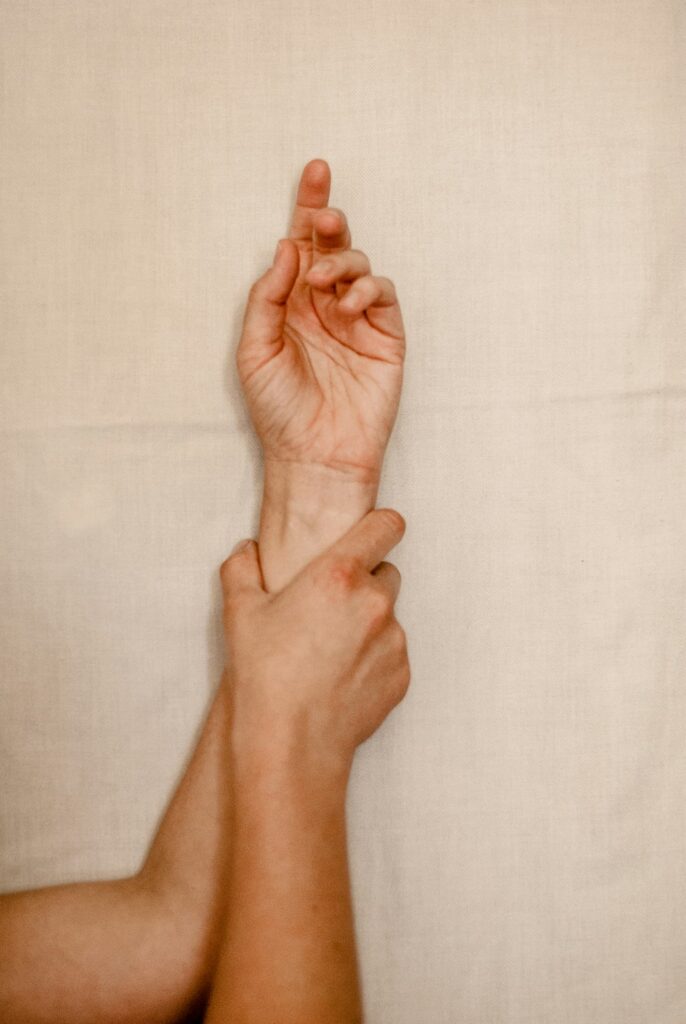
Carpal tunnel syndrome develops when the median nerve is squeezed as it passes through a narrow passage in the wrist. The usual symptoms are tingling, numbness, burning, or aching in the thumb, index finger, middle finger, and part of the ring finger. Symptoms often become more noticeable at night or during activities that keep the wrist bent.
For residents of Malone, NY, everyday tasks such as driving, winter shoveling, lifting household items, using hand tools, sewing, cooking, or working at a computer may aggravate symptoms. Mild cases may improve with changes that reduce pressure on the wrist, but persistent numbness or weakness should not be ignored.
What can be done at home first?
The most useful natural approach is to reduce irritation of the median nerve while keeping the hand gently active. Avoiding every movement is usually unnecessary. Instead, change the way activities are performed and give the wrist regular periods of rest.
Helpful steps include:
- Keep the wrist as straight as possible during sleep and repetitive tasks.
- Take brief breaks during activities that involve gripping, squeezing, or bending the wrist.
- Alternate hands when practical.
- Use larger handles or padded grips on tools and household equipment.
- Avoid resting the wrist directly on a hard desk edge or vehicle console.
- Loosen a tight grip on steering wheels, pens, garden tools, and utensils.
- Stop or modify any activity that consistently increases tingling or numbness.
A useful rule is that symptoms should settle fairly soon after an activity ends. If numbness continues to build through the day, the activity may need more substantial modification.
Does a wrist splint help carpal tunnel syndrome?
A neutral-position wrist splint worn at night is one of the most reasonable first steps for mild or moderate symptoms. It limits the tendency to sleep with the wrist curled, which can increase pressure inside the carpal tunnel.
Choose a splint that holds the wrist straight without forcing it backward. It should not be so tight that the fingers become cold, pale, swollen, or more numb. Nighttime use is often sufficient; wearing a rigid brace continuously can cause stiffness and may interfere with normal hand movement.
Improvement may take several nights or a few weeks. If symptoms are unchanged after several weeks of consistent use, or if they continue to worsen, the diagnosis and treatment plan should be reassessed.
Which exercises are safe?
Gentle movement may help prevent stiffness, but exercises are not a guaranteed cure and should never cause increased tingling, sharp pain, or lasting numbness. A simple routine can include slowly opening and closing the hand, moving the thumb across the palm, and gently flexing and straightening the fingers.
Nerve-gliding and tendon-gliding exercises are sometimes used for carpal tunnel symptoms. These involve controlled hand and wrist positions intended to encourage smooth movement of the median nerve and finger tendons. They should be performed gently and without forcing the wrist into an extreme position.
A practical starting point is:
- Relax the shoulder and elbow.
- Keep movements slow and comfortable.
- Perform only a few repetitions.
- Stop if symptoms spread, intensify, or remain worse afterward.
More exercise is not necessarily better. Repeatedly stretching an irritated nerve or gripping a stress ball can make symptoms worse rather than better.
Can cold or heat relieve the symptoms?
A cool pack may temporarily ease aching or swelling after an aggravating activity. Wrap it in a cloth and use it for a short period rather than placing ice directly on the skin.
Warmth can help some people with general hand stiffness, especially before gentle movement. However, excessive heat may make throbbing or swelling feel worse. Avoid sleeping with a heating pad, and do not use cold or heat on an area with reduced sensation unless the temperature can be checked carefully.
These measures may improve comfort, but they do not remove pressure from the median nerve.
Should work and household habits change?
Yes. Repeated forceful gripping and prolonged wrist bending are more relevant than any single activity. Keyboard use alone has not been proven to cause carpal tunnel syndrome, but a poorly positioned workstation can still worsen symptoms.
During desk work:

- Keep the keyboard and mouse close enough that the elbows stay near the body.
- Let the wrists remain neutral rather than sharply bent upward.
- Avoid pressing the palm or wrist into a hard surface.
- Change position regularly instead of holding one posture for hours.
Seasonal tasks can also matter in the local community. Snow shoveling, carrying wet clothing, using vibrating equipment, or gripping tools in cold weather may increase hand tension. Warm gloves, lighter loads, frequent breaks, and a relaxed grip can reduce strain. If a task causes persistent tingling, divide it into shorter sessions.
Do vitamins, supplements, or chiropractic adjustments cure carpal tunnel syndrome?
There is no reliable evidence that vitamins, magnets, special creams, or dietary supplements consistently correct the nerve compression involved in carpal tunnel syndrome. Correcting a nutritional deficiency may be appropriate when one is present, but taking supplements without a known deficiency is not a dependable treatment.
Hands-on care, including work directed at the neck, shoulder, forearm, or wrist, may help some people feel more comfortable, particularly when muscle tension or movement habits contribute to symptoms. However, no manual technique should be presented as a guaranteed cure. The main goals should be identifying contributing factors, protecting the nerve, and recognizing when further evaluation is needed.
Carpal tunnel symptoms can also resemble problems involving the neck, elbow, blood circulation, arthritis, or other nerves. That is why self-care should be viewed as a trial for mild symptoms rather than a substitute for a proper assessment.
When should numbness be evaluated?
Arrange a medical evaluation if symptoms are persistent, increasingly frequent, or interfering with sleep, work, driving, or household tasks. Evaluation is especially appropriate when home measures have not helped after several weeks.
Prompt attention is warranted for:
- Constant numbness rather than symptoms that come and go
- Noticeable weakness or frequent dropping of objects
- Difficulty fastening buttons or performing other fine-motor tasks
- Muscle wasting at the base of the thumb
- Symptoms affecting the entire arm or associated with neck pain
- Sudden numbness, facial weakness, speech trouble, chest discomfort, or severe dizziness
Long-standing nerve compression can lead to weakness and loss of thumb muscle function. Early symptoms are often more manageable, while advanced nerve damage may not fully reverse.
For mild symptoms, a reasonable plan is to keep the wrist neutral at night, reduce forceful gripping, take regular breaks, use gentle pain-free movement, and monitor the pattern over the next few weeks. If the symptoms do not improve or begin affecting strength and sensation, a qualified healthcare professional can determine whether the problem is truly carpal tunnel syndrome and whether additional testing or treatment is needed.
