
 See Our Latest Article on HelloNation
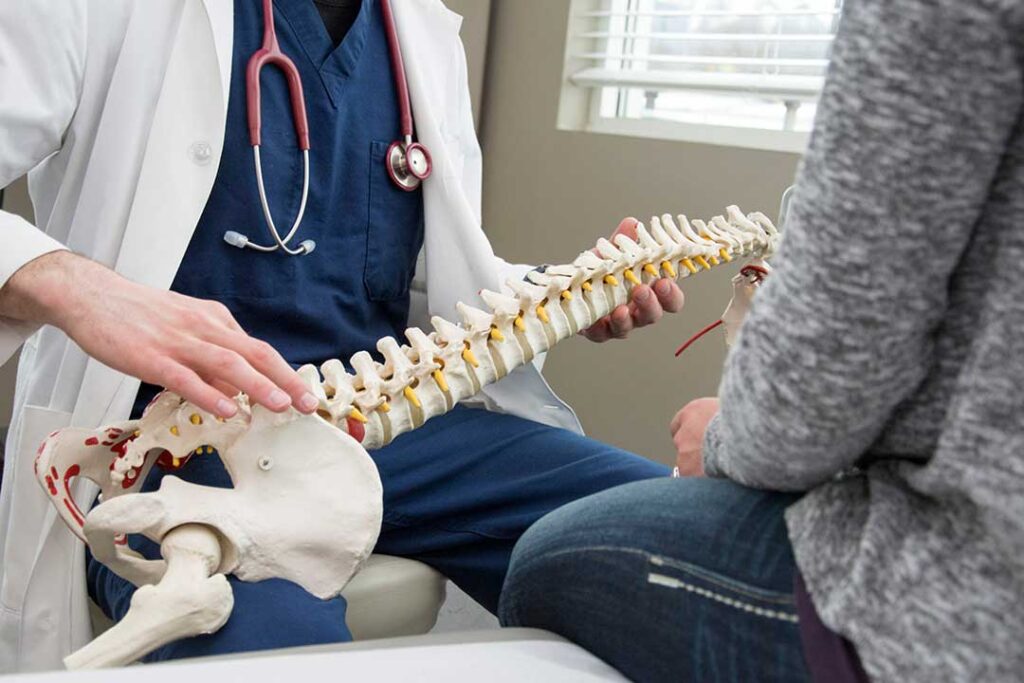
Pain is not always felt where the underlying problem begins. A joint, muscle, nerve, or internal organ can send warning signals that the brain interprets as coming from another area. This is called referred pain.
For residents of Malone, NY, understanding this distinction can help explain why a neck problem may be felt in the shoulder, why irritation in the lower back may travel into the leg, or why chest-related symptoms should never automatically be assumed to be a muscle strain.
What is referred pain?
Referred pain is discomfort perceived in an area that is different from the source of the problem. It occurs partly because nerves from separate body regions can enter the spinal cord along similar pathways. The brain may have difficulty identifying the exact starting point of the signal.
Referred pain differs from pain that spreads directly along a nerve. For example:
- Pain from an irritated nerve in the neck may travel into the arm, often with tingling, numbness, or weakness.
- Pain from a tight muscle may be felt in another nearby region, such as the shoulder or head.
- Pain from an internal organ may appear in the back, shoulder, or chest without obvious injury to those tissues.
The painful area may feel tender, but it may not be the structure that needs attention.
How can someone tell whether pain is referred?
There is no reliable home test that identifies referred pain. A careful history and physical examination are usually needed.
Certain patterns can provide clues. Pain from a shoulder joint often changes with shoulder movement. Referred shoulder pain from the neck or another body system may not change much when the shoulder itself moves. Mayo Clinic notes that conditions involving the neck, chest, or abdomen can sometimes be experienced as shoulder pain. ([mayoclinic.org](https://www.mayoclinic.org/symptoms/shoulder-pain/basics/causes/sym-20050696?utm_source=openai))
Other clues include:
- Pain that does not match a recent injury to the painful area
- Symptoms that seem unrelated to movement or position
- Numbness, pins-and-needles sensations, or weakness
- Pain that follows a band, line, or recognizable path
- Symptoms that move between the back, buttock, hip, or leg
- Pain accompanied by fever, unexplained weight loss, shortness of breath, or unusual fatigue
These patterns are not a diagnosis. They simply indicate that the source may not be located where the pain is felt.
What causes referred pain in muscles and joints?
Muscle tension, overuse, and injury are common causes of musculoskeletal referred pain. A muscle may develop sensitive areas often called trigger points. Pressing on one of these areas can reproduce pain somewhere else.
For instance, prolonged computer use, repetitive lifting, snow clearing, or awkward positions during household work may irritate muscles in the neck, upper back, or shoulder. Seasonal changes in activity can also matter. Someone who spends much of the winter being less active and then quickly resumes outdoor chores may place unusual demands on muscles and joints.
Myofascial pain syndrome is one example in which pressure on a muscle or its surrounding fascia produces pain in another location. Commonly affected areas include the shoulder, back, face, and head. ([mayoclinic.org](https://www.mayoclinic.org/diseases-conditions/myofascial-pain-syndrome/symptoms-causes/syc-20375444?utm_source=openai))
Nerve-related referred pain can occur when a spinal nerve root is irritated or compressed. A disc problem, inflammation, arthritis-related narrowing, or injury may contribute. Symptoms may include burning, electric, shooting, or stabbing pain, along with altered sensation or weakness.
What role can chiropractic care play?
Chiropractic care may be considered for some musculoskeletal sources of referred pain, particularly when the symptoms appear related to the spine, joints, or surrounding soft tissues. Evaluation may include questions about the onset of symptoms, aggravating activities, prior injuries, medications, medical conditions, and changes in strength or sensation.
Depending on the findings, care may involve movement advice, exercises, soft-tissue techniques, joint mobilization, or spinal manipulation. Spinal manipulation uses a controlled force to move a spinal joint, while mobilization generally uses slower movement within the joint’s available range. ([nccih.nih.gov](https://www.nccih.nih.gov/health/spinal-manipulation-what-you-need-to-know?utm_source=openai))
Evidence is strongest for selected musculoskeletal problems rather than unexplained pain throughout the body. The National Center for Complementary and Integrative Health reports that spinal manipulation may provide modest improvements in pain and function for some adults with acute or chronic low-back pain. It is one option among several, including exercise, physical therapy, and other forms of medical care. ([nccih.nih.gov](https://www.nccih.nih.gov/health/spinal-manipulation-what-you-need-to-know?utm_source=openai))
Treatment should match the suspected source. Adjusting the painful area without first considering nerve involvement, fracture, infection, medication effects, or internal illness may delay appropriate care.
When should referred pain be medically evaluated first?
Some pain patterns require prompt medical assessment rather than routine musculoskeletal treatment.
Seek emergency help for new or unexplained chest pain, especially when it occurs with pressure, shortness of breath, sweating, nausea, faintness, or pain in the arm, back, neck, or jaw. Arm, shoulder, and back pain can occasionally occur with heart problems, even when the pain is not centered in the chest. ([mayoclinic.org](https://www.mayoclinic.org/diseases-conditions/chest-pain/symptoms-causes/syc-20370838?p=1&utm_source=openai))
Prompt evaluation is also appropriate for:
- New loss of bladder or bowel control
- Numbness around the groin or inner thighs
- Progressive weakness in an arm or leg
- Severe pain after a fall, collision, or other trauma
- Fever with significant back pain
- Pain accompanied by unexplained weight loss or a history of cancer
- Severe abdominal pain, vomiting, or yellowing of the skin
- A new headache with confusion, fainting, vision changes, or neurological symptoms

These warning signs do not mean a serious condition is present, but they should not be attributed to a spinal or muscle problem without evaluation.
Is chiropractic treatment safe for referred pain?
Safety depends on the cause of the symptoms, the person’s medical history, and the technique used. Mild temporary soreness, stiffness, or increased discomfort can occur after spinal manipulation and often resolves within a day or two. Serious complications are rare, but they have been reported. ([nccih.nih.gov](https://www.nccih.nih.gov/health/spinal-manipulation-what-you-need-to-know?utm_source=openai))
Neck manipulation deserves particular caution. Rare cervical artery injuries have been reported, and the relationship between manipulation and these events remains debated. Anyone considering treatment should disclose recent trauma, osteoporosis, inflammatory disease, bleeding disorders, neurological symptoms, cancer history, pregnancy, and all prescription or nonprescription medicines.
A person should also be cautious of claims that manipulation can treat internal diseases or replace necessary medical care. Current evidence does not support using spinal manipulation as a general treatment for nonmusculoskeletal illnesses. ([nccih.nih.gov](https://www.nccih.nih.gov/health/spinal-manipulation-what-you-need-to-know?utm_source=openai))
What information is useful during an evaluation?
Before an evaluation, it can help to record:
- Where the pain began and where it is felt now
- Whether movement, coughing, lifting, sitting, or lying down changes it
- Whether there is numbness, tingling, weakness, or loss of coordination
- Recent falls, vehicle incidents, work demands, or changes in physical activity
- Fever, fatigue, digestive symptoms, breathing symptoms, or changes in bladder and bowel function
- Previous diagnoses, surgeries, and medications
The central question is not simply, “Where does it hurt?” It is also, “What pattern does the pain follow, and what other symptoms occur with it?” That distinction helps separate common musculoskeletal referred pain from conditions requiring a different type of care.
