
 See Our Latest Article on HelloNation
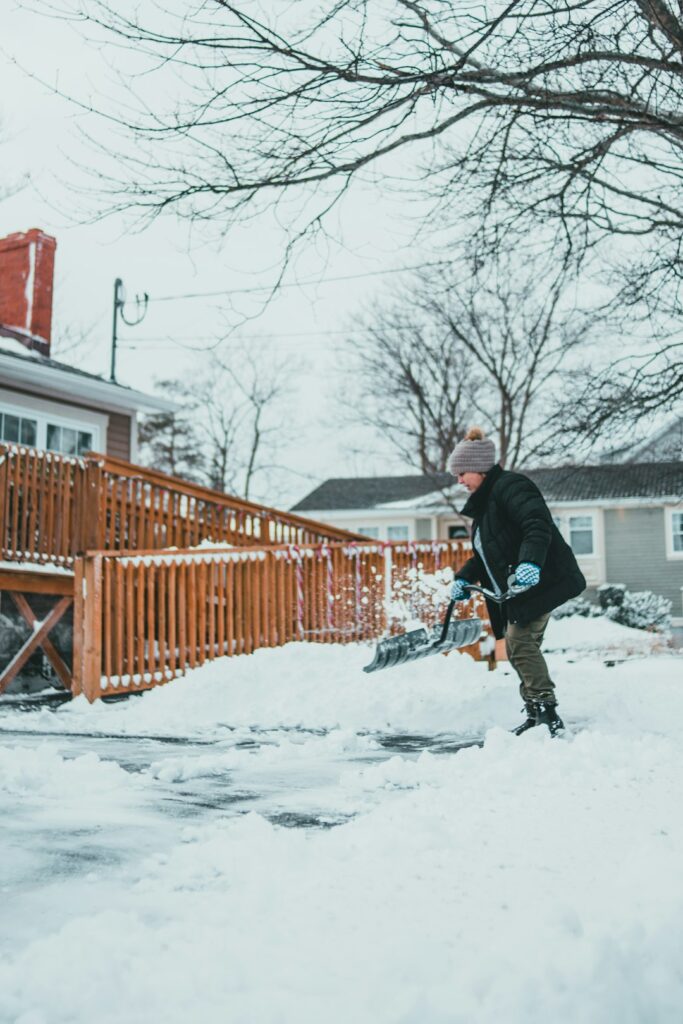
Daily chores rarely feel strenuous at first, yet repeated bending, twisting, reaching, lifting, and pushing can place considerable stress on the spine. In Malone, NY, seasonal tasks such as shoveling snow, carrying firewood, clearing leaves, and moving household items may add to the physical demands of ordinary routines.
Protecting the spine does not require avoiding chores. It involves using positions, movements, and pacing strategies that reduce unnecessary strain while keeping the back, hips, shoulders, and legs working together.
What makes everyday chores hard on the spine?
The spine is most vulnerable when several forces occur at the same time. Lifting while bending forward and twisting, for example, creates more stress than lifting with the object held close and the body facing forward.
Common contributors to back strain include:
- Bending from the waist repeatedly
- Holding objects away from the body
- Twisting while carrying laundry, tools, or boxes
- Remaining in one position for too long
- Lifting quickly or without seeing the path ahead
- Continuing after fatigue has affected balance or coordination
A chore may be light in weight but still demanding if it is repeated dozens of times. Folding laundry, loading a dishwasher, sweeping, gardening, and making beds can all involve sustained reaching or awkward postures.
How should someone lift household objects?
The safest general approach is to prepare first, keep the object close, and use the legs and hips rather than pulling primarily from the lower back.
Before lifting:
1. Clear the path and make sure the destination is ready.
2. Stand close to the object with feet about shoulder-width apart.
3. Face the object directly instead of reaching from the side.
4. Bend at the hips and knees while keeping the back in a comfortable, neutral position.
5. Grip the object securely and rise smoothly.
6. Hold the load near the middle of the body.
7. Turn by moving the feet rather than twisting the torso.
“Lift with your legs” does not mean forcing the knees into a deep squat for every object. A moderate bend at the hips and knees is usually more practical. The key is to avoid rounding forward and then rotating while carrying weight.
If an object is bulky, unstable, or difficult to see over, divide it into smaller loads or ask for assistance when necessary. A manageable load carried twice is generally safer than an awkward load carried once.
What is the safest way to do laundry and household cleaning?
Laundry often combines lifting, reaching, and twisting. Place hampers where they can be reached without deep bending, and avoid filling them so heavily that they must be dragged or carried with one arm.
When transferring clothes:
- Move close to the washer or dryer.
- Use both hands when the load is heavy or uneven.
- Avoid twisting from the waist while holding wet clothing.
- Set baskets on a stable surface rather than lifting them from the floor repeatedly.
- Take smaller loads if wet fabric becomes difficult to control.
For vacuuming or sweeping, keep the handle at a height that allows the shoulders to remain relaxed. Step and pivot with the feet instead of repeatedly rotating the back. Alternate hands when practical, and change direction regularly so one side of the body does not perform all the work.
Mopping can be especially demanding because the tool may be pushed far ahead of the body. Keep it closer, use shorter strokes, and let the legs help with the movement.
How can snow removal be made easier on the back?
Snow removal places unusual demands on the spine because snow can be heavy, the ground may be slippery, and the task often continues for a long period. Wet snow is particularly strenuous because its weight increases quickly as the shovel fills.
Use these habits:
- Clear snow in smaller amounts rather than waiting for a deep accumulation.
- Choose a shovel that allows an upright posture and comfortable grip.
- Push snow when possible instead of lifting it.
- Keep loads light, especially when snow is wet.
- Face the direction of the toss and step toward it.
- Avoid throwing snow repeatedly over one shoulder.
- Wear footwear that provides secure traction.
- Take regular breaks before fatigue affects technique.
Cold weather can also make muscles feel less flexible, while icy surfaces increase the risk of sudden slips. A few minutes of gentle walking and easy movement before strenuous outdoor work may help the body transition into activity. Warm clothing and stable footing matter as much as lifting technique.
How should residents approach yardwork and gardening?
Gardening often requires long periods of kneeling, crouching, reaching, and carrying. Changing positions is more protective than trying to maintain one “perfect” posture for an entire task.

Use a raised surface or elevated container when possible. For ground-level work, kneel on a pad or sit on a stable low seat rather than bending forward continuously. Keep tools within easy reach, and move the whole body closer instead of stretching from the waist.
For bags of soil, mulch, or garden debris, avoid lifting from a fully extended reach. Slide the bag closer, use smaller containers, or divide the material before carrying it. Do not twist while emptying a heavy bag. Turn the feet and hips together.
Raking can irritate the back when the arms reach too far forward or when the same side repeatedly pulls the tool. Use shorter strokes, switch hand positions periodically, and walk toward the material instead of leaning and pulling from a distance.
Are certain chores risky because of repetition rather than weight?
Yes. Repetition is a frequent source of discomfort, even when no single movement seems difficult. Washing dishes, preparing food, folding clothes, painting, and cleaning low surfaces may involve hundreds of similar motions.
To reduce repetitive strain:
- Change tasks every 15 to 30 minutes when practical.
- Alternate standing, walking, and sitting activities.
- Place frequently used items between hip and shoulder height.
- Use a small step or move closer instead of reaching overhead.
- Keep work surfaces at a comfortable height.
- Pause briefly to relax the shoulders and move the hips and legs.
Short breaks are more useful when they include a position change. Standing after sitting, walking after bending, or gently moving the shoulders after reaching can reduce the buildup of stiffness.
Is soreness after chores normal?
Mild, temporary muscle tiredness may occur after unfamiliar or demanding work. Pain that is sharp, worsening, persistent, or accompanied by other symptoms deserves more attention.
Stop the activity and seek medical evaluation promptly if back pain occurs with:
- New weakness in an arm or leg
- Numbness that spreads or does not resolve
- Loss of bladder or bowel control
- Numbness around the groin or inner thighs
- Fever, unexplained weight loss, or feeling seriously unwell
- A significant fall, collision, or other injury
For less urgent discomfort, reducing the aggravating activity, using comfortable movement, and avoiding prolonged bed rest may be reasonable. Returning to chores gradually is usually preferable to testing the back with a heavy task as soon as symptoms ease.
How can chores be planned to protect the spine?
The best technique can fail when a person is rushed, cold, tired, or working in an obstructed space. Before starting, consider the load, the surface, the weather, and how long the task is likely to take.
In households dealing with winter conditions, plan snow removal around safe footing and manageable intervals. For indoor chores, keep walkways clear and store heavier objects where they can be reached without floor-level lifting. Use a cart or split loads when carrying items across a room or between floors.
Spine protection is not about keeping the back rigid. Healthy movement includes bending, reaching, and turning. The goal is to perform those movements with control, keep loads close, avoid unnecessary twisting, and stop before fatigue turns a routine chore into a hazardous one.
